Posts

Bad design consequences
Image
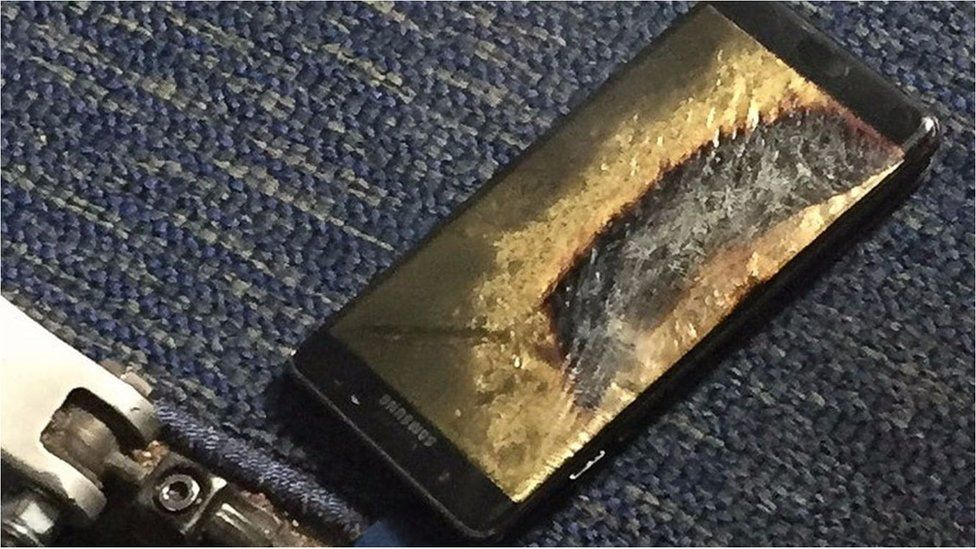
Human errors are inevitable. Flaws in design can lead to serious consequences. In IT small errors can affect millions of users and create a PR nightmare for the company. One of the examples that came to my mind was Samsung Galaxy Note 7 battery catching fire.  Back in 2016, Samsung discontinued its Galaxy Note 7 smartphone just two months after its became available on the shelves, due to battery defects causing the phone to overheat, combust or explode. Around that time, Samsung Galaxy S7 Edge also reportedly caught on fire. But the main focus was on the Note 7, as it's definitely the smartphone that became Samsung's biggest advertising nightmare to date. The phone's battery reportedly had a flaw in design that made it prone to bending, and indeed, there were  dozens of reports of Note 7s catching on fire. The Note 7 was quickly withdrawn from sale and Samsung tries and forget about it as a their error from years ago, but there are reports that the brand new Galaxy S22 may ...

Skills of an Estonian IT professional: Evolution

Image
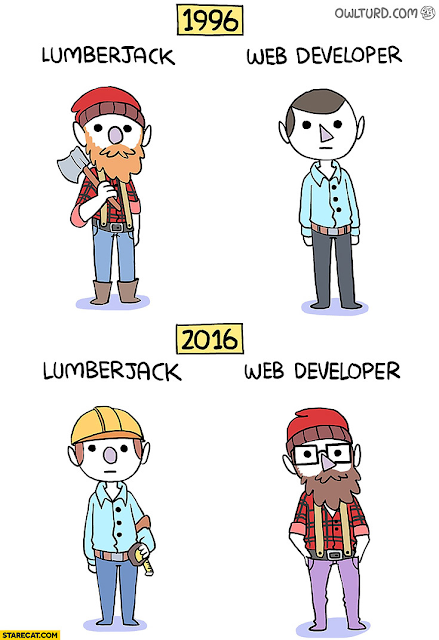
Every year requirements of an IT specialist rise. Competition is getting more intense and more and more people try to become IT specialists. The IT world is very different to what it was 20 years ago. Stack Overflow became a thing. Nowadays, programmer must be an expert at using Google search. Almost every problem's solution and every question's answer can be found on the Internet, specifically on Stack Overflow. Security is something we have to think about now. 20 years ago IT specialists didn't have many concerns on program security, nowadays, cybersecurity has become a major branch of development, many cybersecurity companies have risen and cybersecurity has become a big concern in modern society. The set of tools for working with the language is much wider. Previously, there was only a compiler and, if you're lucky, a debugger. Today they usually come with a linter, a code formatter, a templating engine, a self-updating feature, and a list of reasons to use in holiv...

Copyleft: Impact on choosing a software license

Image
Copyleft originated as a pun from copyright. Nowadays it denotes whether the license will influence the derived works or not. There are 3 main types of copyleft: Strong copyleft - these licenses demand that all the derived works (the software that is made by altering the original) must retain the license of the original. Weak copyleft - sets some exceptions in order to allow better software integration (linking) with non-free (proprietary) systems. Weak copyleft is especially appropriate in the case of software libraries. No copyleft - these licenses do not limit the licensing of the derivatives. This is option gives the largest freedom to developers while somewhat cutting back on the continuity assurance for end users. Strong copyleft The most well-known strong copyleft software is the GNU General Public License . The GNU General Public License guarantees end users the four freedoms: to run , study , share , and modify the software. If you are using a GPL component in your s...

Copyright reform: a new proposal

Today, copyright is a big headache for many content creators. They always have to worry about DRM, using royalty-free content and finding ways not to get their content demonetized. Pirate MEP Christian Engström has made a proposal on copyright law reform, and has 6 major points that need to be revolutionized. Moral rights unchanged Engström states that the moral rights of the author should not be changed. It is clear who the author is and no one can claim the author right. Free non-commercial Sharing In author's opinion, private users didn't have to worry about copyright 20 years ago. Now that has changed. He states that ordinary people should have the ability to share content with each other. 20 Years of Commercial Monopoly The author states, that copyright protection time should last 20 years, instead of a lifetime plus another 70 years. Registration after 5 years Engström believes that content that has not been registered within 5 years of its creation, should be released fr...

Predictions of 2004 vs. How the world turned out to be

Image
18 years ago was written an Information Society Report by Pekka Himanen, where predictions about our potential future were made. Some of them turned to be very precise, some of them were a bit off the reality. Increasing international tax competition  I have to say that this prediction is very accurate. Meta, Apple and Google all have their branches in Ireland in order to reduce their taxes. Many millionares live in Monaco in order to avoid paying income tax. Many countries are worried about the fact that their income from tax is smaller because of the tax competition. The new global division of labour This vision of the future was also very on point. Almost all corporations have their factories in countries like China. Nowadays, that the China has become a much wealthier country, Africa is becoming 'China's China'. Many manufacturers from China are looking into options of starting their productions in countries like Uganda, Rwanda and Zimbabwe. Countries that are becoming ...

How social networks have influenced real-life commmunication

Image
How social networks have influenced real-life commmunication It is undeniable that social media has changed the way we communicate with each other. From sharing our thoughts and photos to planning a party, most people nowadays organise their social lives through some form of technology-based engagement. But, how has this shift from more physical interaction actually affected the way we talk to each other? Social networks have changed the way we interact, mainly the way we now lack some of our social skills.  More people are becoming incapable of carrying on a normal conversation or interacting with people in person because of the social media addiction. Social networks are becoming one of the primary ways we communicate. People are obsessed with checking their smartphone every minute than engaging in conversation with their friend or loved one. Social media and technology are controversial. It’s wonderful to have and can be really helpful, but it also distracts us to the point of b...

Pre-web technology that has become obsolete and that lives to these days

Image
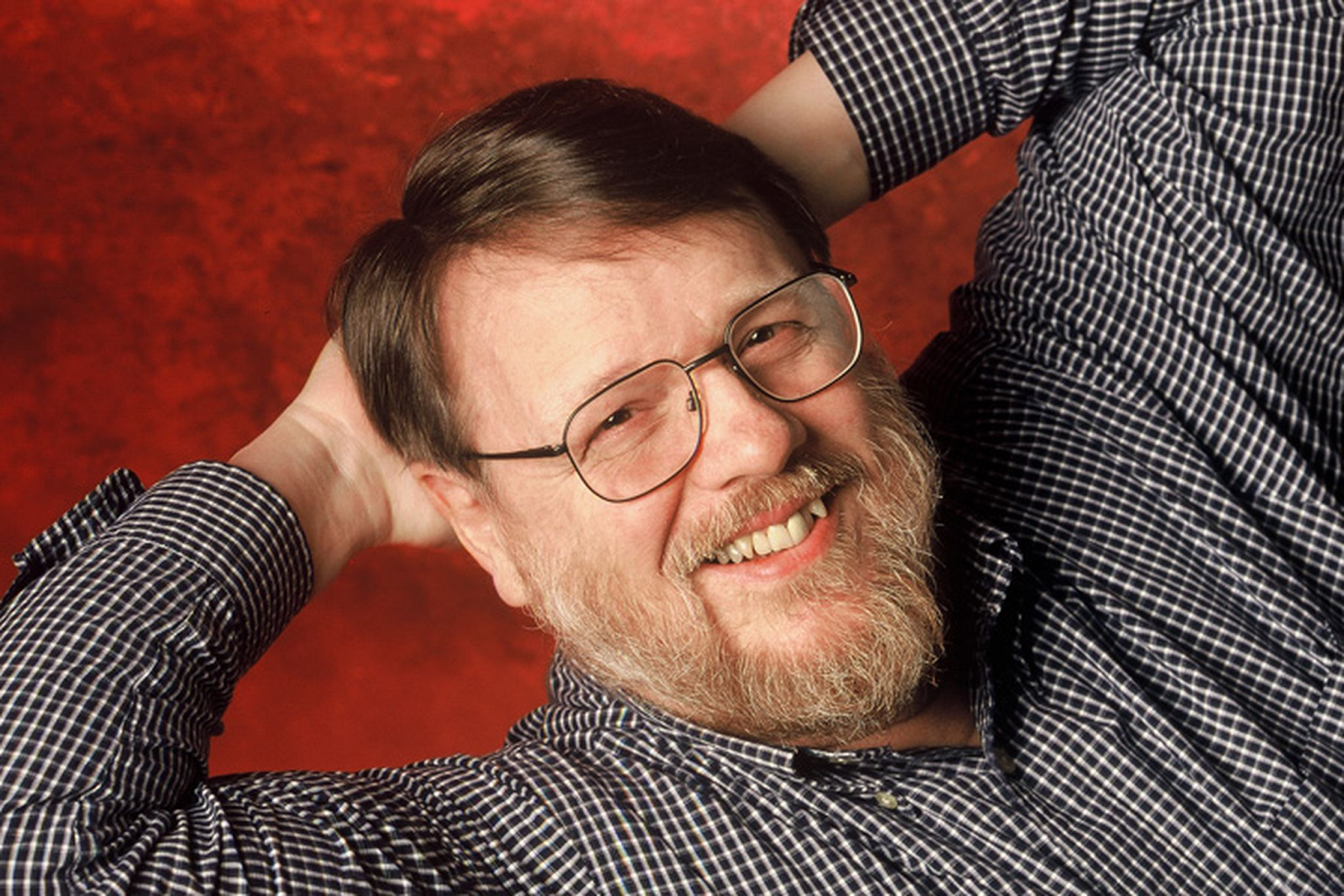
Email The very first version of what would become known as email was invented in 1965 at MIT as part of the university’s Compatible Time-Sharing System. It allowed users to share files and messages on a central disk, logging in from remote terminals. In 1971 Ray Tomlinson invented and developed electronic mail, as we know it today. He created an ARPANET’s networked email system. Ray Tomlinson The “@” symbol, which is probably Ray Tomlinson's most noticeable contribution to the internet. Indication of a destination for a message became as simple as addressing it: “username@name of computer”, which is how email has been addressed ever since. In the late 90’s internet had exploded, growing from 55 million users  in 1997 to astonishing 400 million by 1999. As the market potential of the internet became apparent, spam began to rise exponentially, creating the need for email filtering program. By the new century, having an email “address” had gone from being a luxury to being a societal ...